Menu
Articles
Green Solvent Electrospinning: Comparative Analysis of Needle vs. Needle-Free Techniques for Water-Based Collagen/Pullulan Nanofibers
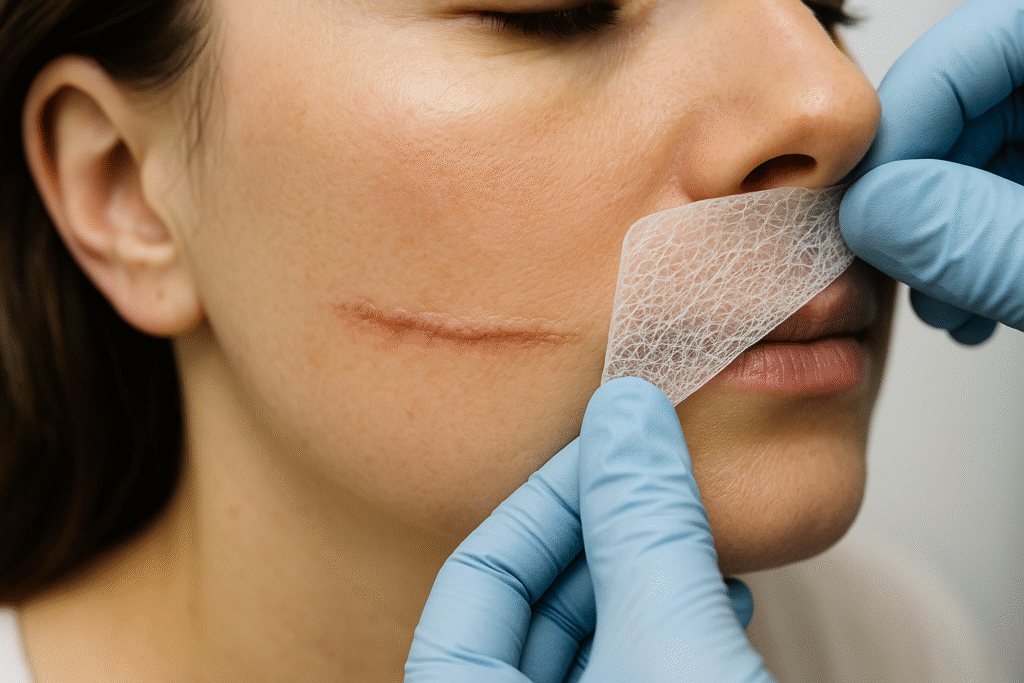
Portable electrospinning technology enables the in situ production of nanofiber wound dressings, offering personalized and effective treatment. Devices are classified into handheld, battery-powered, and generator-powered types, each with unique benefits. Handheld devices are highly portable, battery-powered systems offer balanced usability, and generator-based setups ensure consistent fiber quality. Studies show their potential in creating antibacterial and hydrogel-based dressings that accelerate wound healing. However, challenges remain in voltage control, fiber uniformity, and delivery precision. Development requires interdisciplinary collaboration, safety considerations, and user-friendly design. This technology holds strong promise for emergency care and treating complex wounds like epidermolysis bullosa, though further optimization is needed for clinical use.
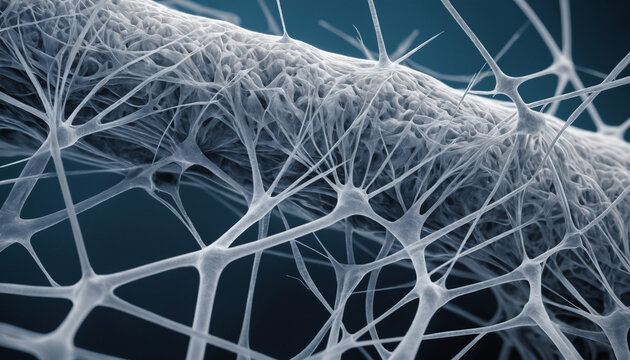
Green electrospinning using distilled water enables sustainable fish collagen-pullulan nanofiber production without toxic solvents. Pullulan enhances collagen spinnability through hydrogen bonding, creating stable water-based fibers for biomedical applications.Needle-free electrospinning demonstrates superior efficiency and industrial scalability versus conventional methods. Molecular analysis confirms hydrogen bonding alters secondary structures, improving fiber formation in aqueous solutions.The biocompatible, biodegradable nanofibers suit dermatological applications including wound healing, drug delivery, and tissue engineering. This needle-free approach enables large-scale manufacturing, advancing sustainable biomaterial production.
Keywords: Green electrospinning, needle-free technology, collagen-pullulan, biomedical applications
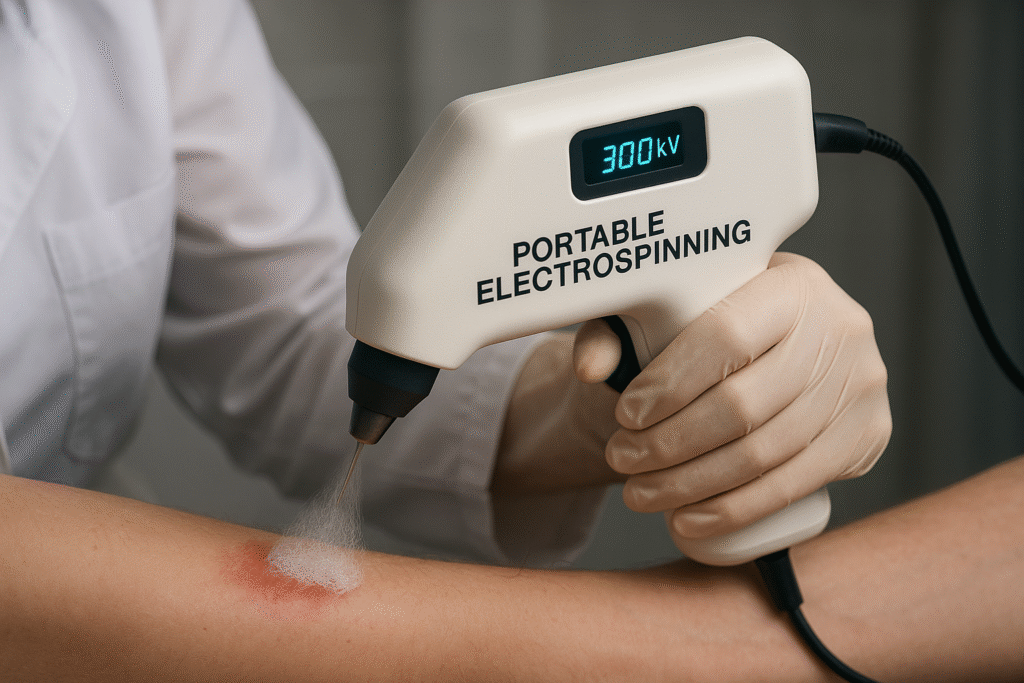
Advancements in Portable Electrospinning Technology for Wound Healing Applications
Portable electrospinning technology enables the in situ production of nanofiber wound dressings, offering personalized and effective treatment. Devices are classified into handheld, battery-powered, and generator-powered types, each with unique benefits. Handheld devices are highly portable, battery-powered systems offer balanced usability, and generator-based setups ensure consistent fiber quality. Studies show their potential in creating antibacterial and hydrogel-based dressings that accelerate wound healing. However, challenges remain in voltage control, fiber uniformity, and delivery precision. Development requires interdisciplinary collaboration, safety considerations, and user-friendly design. This technology holds strong promise for emergency care and treating complex wounds like epidermolysis bullosa, though further optimization is needed for clinical use.