Articles

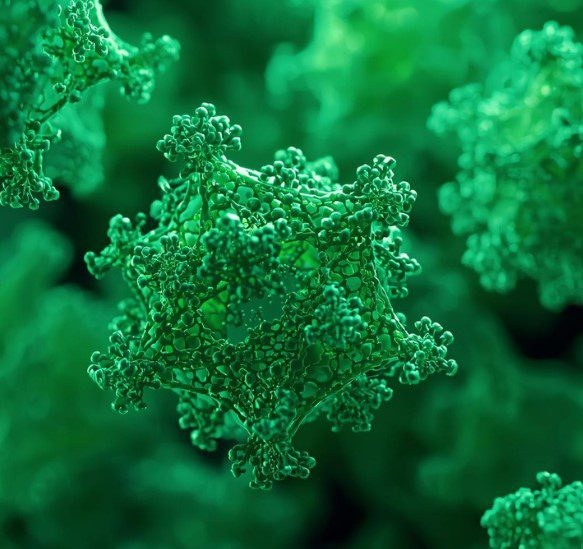
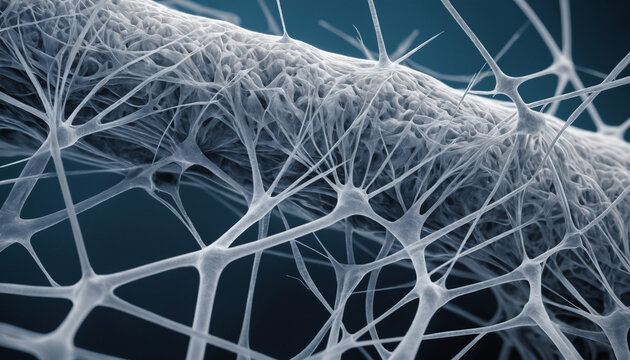
High-resolution microscopic image of green electrospun collagen-pullulan nanofiber network showing intricate three-dimensional protein structure and interconnected fiber morphology

Portable Electrospinning for Wound Healing

Green Solvent Electrospinning: Comparative Analysis of Needle vs. Needle-Free Techniques for Water-Based Collagen/Pullulan Nanofibers

Portable electrospinning technology enables the in situ production of nanofiber wound dressings, offering personalized and effective treatment. Devices are classified into handheld, battery-powered, and generator-powered types, each with unique benefits. Handheld devices are highly portable, battery-powered systems offer balanced usability, and generator-based setups ensure consistent fiber quality. Studies show their potential in creating antibacterial and hydrogel-based dressings that accelerate wound healing. However, challenges remain in voltage control, fiber uniformity, and delivery precision. Development requires interdisciplinary collaboration, safety considerations, and user-friendly design. This technology holds strong promise for emergency care and treating complex wounds like epidermolysis bullosa, though further optimization is needed for clinical use.

Green electrospinning using distilled water enables sustainable fish collagen-pullulan nanofiber production without toxic solvents. Pullulan enhances collagen spinnability through hydrogen bonding, creating stable water-based fibers for biomedical applications.Needle-free electrospinning demonstrates superior efficiency and industrial scalability versus conventional methods. Molecular analysis confirms hydrogen bonding alters secondary structures, improving fiber formation in aqueous solutions.The biocompatible, biodegradable nanofibers suit dermatological applications including wound healing, drug delivery, and tissue engineering. This needle-free approach enables large-scale manufacturing, advancing sustainable biomaterial production.

Keywords: Green electrospinning, needle-free technology, collagen-pullulan, biomedical applications
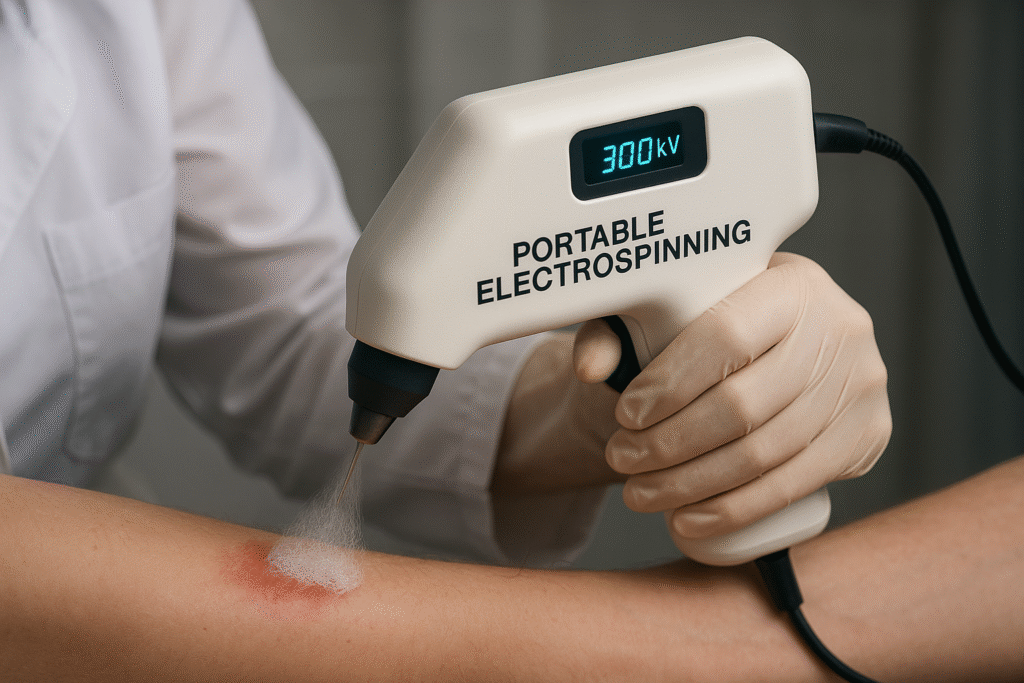
Portable electrospinning device applying nanofibers through a handheld unit connected to a power pack.

Portable Electrospinning for Wound Healing

Advancements in Portable Electrospinning Technology for Wound Healing Applications

Portable electrospinning technology enables the in situ production of nanofiber wound dressings, offering personalized and effective treatment. Devices are classified into handheld, battery-powered, and generator-powered types, each with unique benefits. Handheld devices are highly portable, battery-powered systems offer balanced usability, and generator-based setups ensure consistent fiber quality. Studies show their potential in creating antibacterial and hydrogel-based dressings that accelerate wound healing. However, challenges remain in voltage control, fiber uniformity, and delivery precision. Development requires interdisciplinary collaboration, safety considerations, and user-friendly design. This technology holds strong promise for emergency care and treating complex wounds like epidermolysis bullosa, though further optimization is needed for clinical use.
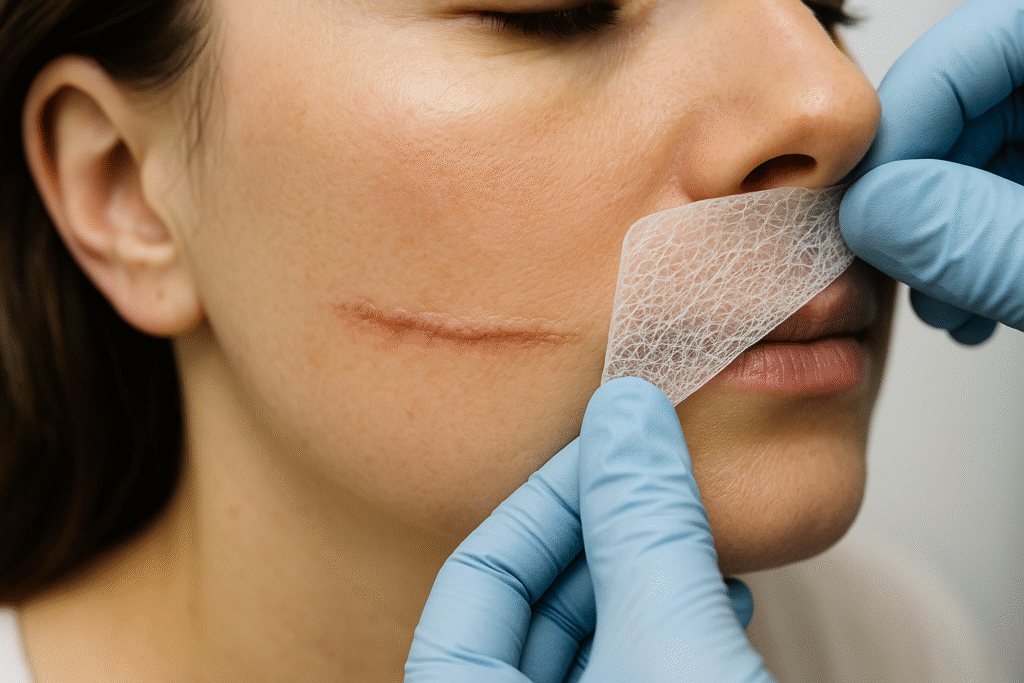
Application of a nanofiber dressing on a facial scar

Review

Scar Treatment with Nanofibers

Advances in Electrospun Nanofibers for Scar Removal and Tissue Regeneration

Nanotechnology offers promising solutions for wound healing and scar reduction, especially through electrospun nanofibers that mimic the extracellular matrix and support cell growth. This review highlights recent advances in electrospinning techniques—such as needle-based, needleless, melt, and solution electrospinning—and their use in delivering therapeutic agents like drugs, growth factors, and stem cells. While these nanomaterials show potential in promoting tissue regeneration and minimizing scarring, concerns about biocompatibility, toxicity, and regulatory issues persist. Continued research is crucial to ensure their safe and effective clinical application.

Innovate Today. Lead Tomorrow.

Research

Biopolymer Nanofibers Improving MSC Viability in Wound Repair

Pullulan/Collagen Scaffolds Promote Chronic Wound Healing via Mesenchymal Stem Cells

This study developed Pullulan/Collagen nanofiber scaffolds loaded with mesenchymal stem cells (MSCs) for chronic wound healing. Electrospun fibers were analyzed via SEM and FTIR, confirming uniform morphology and molecular interaction. The Pullulan/Collagen composite showed enhanced MSC viability (99%) and lower necrosis (1.29%) compared to Pullulan alone. Distilled water as a solvent improved biocompatibility, and reduced platelet and macrophage activity supported the scaffold’s potential for tissue regeneration.

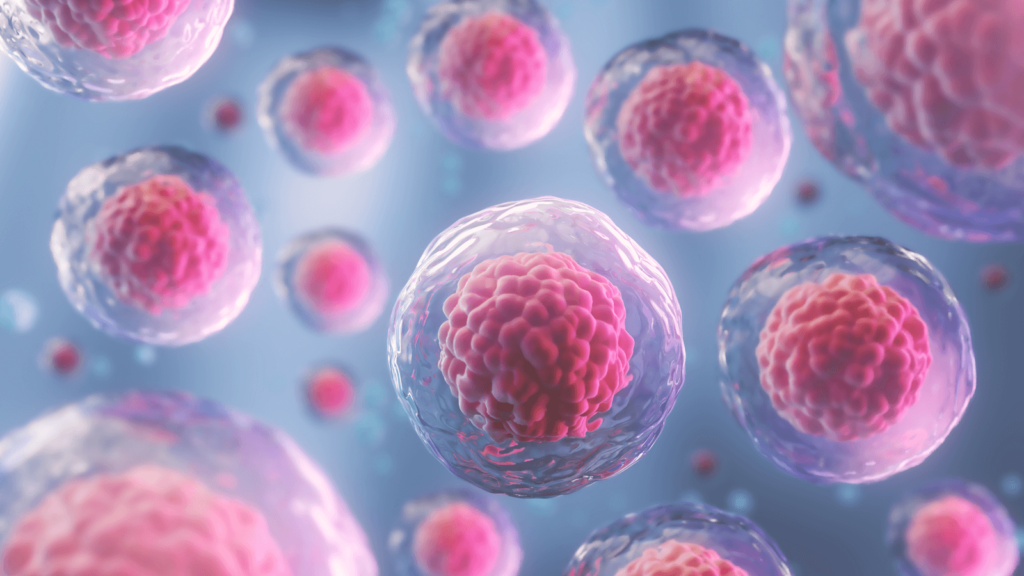
Microscopic view of stem cells representing regenerative medicine and biomedical innovation

Research

Sustained DOX Delivery via Biopolymer Nanostructure

Pullulan-DOX/PVA-PDMS Biopolymeric Core-Shell Nanofibers Potential for Drug Delivery Systems

This study developed a novel drug delivery system by encapsulating doxorubicin (DOX) in pullulan and embedding it in a PVA–PDMS composite shell. The hydrophilic PVA enabled rapid initial release, while hydrophobic PDMS ensured sustained delivery. This dual-phase release system improved drug stability, mechanical strength, and reduced toxicity. The pullulan/PVA–PDMS composite demonstrated controlled DOX release, making it a promising platform for cancer therapy.

Woman with flawless skin surrounded by nature, symbolizing advanced skincare and natural beauty innovation

Research

Biopolymers for Skin Tissue Engineering

Needleless electrospun collagen/hyaluronic acid nanofibers for skin moisturization: Research

This study evaluates electrospun collagen/hyaluronic acid nanofibers for biomedical and skincare use. Needleless electrospinning produced uniform, mechanically strong fibers with excellent cell adhesion and proliferation. The biocompatible scaffolds show promise for tissue engineering and eco-friendly skincare by reducing preservatives and waste. Despite high initial costs, their durability and efficacy support future industrial applications.

Artistic lab setup combining glass equipment and green leaves, symbolizing biotech innovation and sustainable chemistry

Review

Biopolymers for Skin Tissue Engineering

Nano Transdermal Delivery Systems of Herbal Extracts for Dermatological Therapeutics and Skin Care

This article explores the use of nanotechnology in transdermal delivery systems for herbal extracts in skin care and wound healing. Nanoparticles enhance skin penetration of natural actives, offering therapeutic benefits with minimal side effects. While herbal patches provide biocompatibility, low cost, and availability, challenges remain regarding safety, testing, and market growth. Combining natural ingredients with conventional treatments may improve skin health and healing outcomes.

Crystal globe resting on grass, symbolizing global sustainability and nature conservation

Review

Biopolymers

Recent advances in biopolymer based electrospun nanomaterials for drug delivery systems

This study highlights recent advances in nanomaterial-based drug delivery systems, focusing on biopolymers like proteins and polysaccharides. Biopolymers such as collagen, gelatin, and silk fibroin offer biocompatibility, biodegradability, and low immunogenicity, making them effective carriers in intranasal, transdermal, dental, and ocular applications. Nanotechnology enables these materials to deliver drugs more precisely to target tissues with minimal toxicity.

Scientific illustration of a nanofiber skin mask infused with AHA and BHA, used for acne treatment

Research

Biomaterials for Skin Tissue Engineering

Exploring the efficacy of AHA–BHA infused nanofiber skin masks as a topical treatment for acne vulgaris

This study explores the potential of AHA–BHA infused nanofiber skin masks as a topical treatment for acne vulgaris. Hyaluronic acids (HAs), widely used in dermatology and cosmetics, help manage skin disorders like acne and have become popular for their anti-aging benefits. The nanofiber masks were shown to reduce inflammation, sebum production, and acne lesions, highlighting their promise as an effective acne treatment.

Don`t copy text!
Scroll to Top